China has officially removed Li Chenggang from his position as the country’s permanent representative to the World Trade Organization (WTO). This change has drawn attention from global economic observers and analysts who see it as part of a wider adjustment in China’s trade strategy. Li, who had been serving in the role since 2019, played an important part in representing China’s interests in global trade negotiations and resolving disputes.
The decision came at a sensitive time, as trade tensions between China and the United States are once again heating up. In recent months, the U.S. government introduced new trade restrictions and sanctions on Chinese firms over issues related to technology, national security, and intellectual property.
In response, China then tightened its export controls on materials such as rare-earth minerals, which are vital for making electronics and electric vehicles. These actions have increased pressure on global markets, making trade diplomacy even more complicated.
Li Chenggang was known as a skilled negotiator who often defended China’s policies during WTO meetings. His removal suggests that the Chinese government may want a fresh approach or a new face to lead its trade discussions at a time when the country faces challenges from multiple sides. The replacement for Li has not yet been officially announced, but the next representative will likely face a tough task balancing domestic priorities and international expectations.
The WTO, headquartered in Geneva, plays a major role in promoting fair trade and resolving disputes between countries. Any change in China’s representation at this level is significant because China is one of the world’s biggest trading nations. The move could affect how China handles future negotiations about tariffs, market access, and global trade rules. Analysts say it may also indicate that Beijing wants to project a more flexible or cooperative image in upcoming talks.
China’s Ministry of Commerce has not released detailed reasons for the removal. However, insiders suggest that it might be related to a broader reshuffling within the ministry aimed at strengthening China’s position amid economic challenges at home. The country is currently dealing with slower growth, property market troubles, and weaker consumer spending. These issues make trade relations more critical than ever.
Globally, this development will be watched closely by policymakers and investors. The U.S., European Union, and Asian economies all have ongoing trade discussions with China. Any shift in policy or leadership could influence how smoothly those talks proceed. For businesses around the world, even small changes in trade relations between China and other major economies can have ripple effects on supply chains and commodity prices.
For developing countries, including Nigeria, the outcome also matters. China’s trade strategies influence global commodity markets, investment flows, and manufacturing costs. If China adopts a more open or cautious approach, it could shape how developing nations engage with international markets.
In summary, the removal of Li Chenggang as China’s WTO representative marks a turning point in the country’s trade diplomacy. It signals that China may be preparing to adapt its global trade stance in a changing economic environment. The world will now watch how this leadership change affects international negotiations, global markets, and the future direction of global trade.
@Reuters @BBCWorld @CNN @CNBC
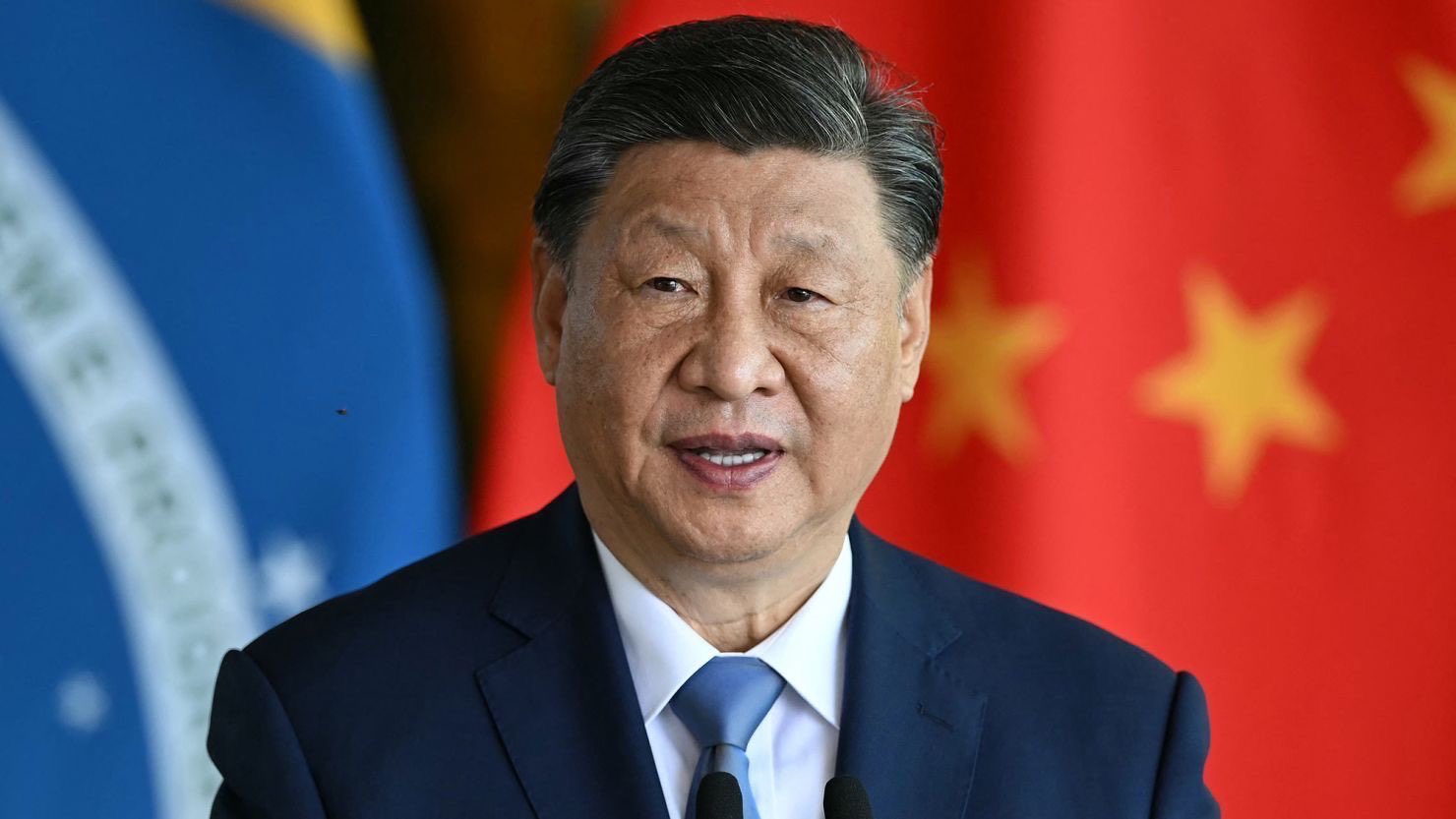
China Removes Top Trade Negotiator from WTO Role




Add comment